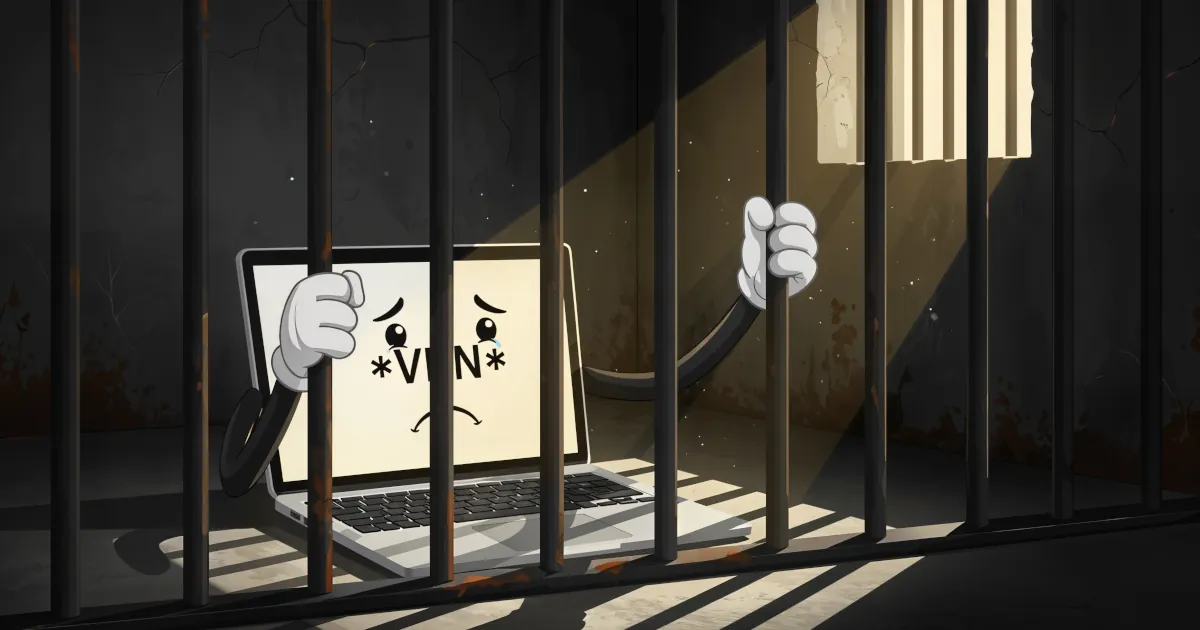

Is Using a VPN Legal in India in 2025?
A timely legal explainer, especially useful with changing internet laws.
Internet privacy in India keeps changing, with growing concern about surveillance, censorship and data regulation. Many people are now wondering: “Is it still legal to use a VPN in India in 2025?”
The short answer is: Yes, using a VPN is legal in India. But there are some caveats, especially in light of new data retention rules and government scrutiny.
Here are the details, in plain English.
What Is a VPN and Why Use One?
A VPN (Virtual Private Network) creates a secure, encrypted tunnel between your device and the internet. Instead of directly accessing websites through your local ISP, a VPN routes your traffic through a private server, often in a different country.
This helps:
- Protect your privacy from ISPs, advertisers, and hackers
- Bypass geo-restricted content (e.g., Netflix libraries, sports streaming)
- Avoid censorship on restricted websites or platforms
- Secure public Wi-Fi usage
Is It Legal to Use a VPN in India?
Yes, VPNs are legal for personal use.
There is no law in India that prohibits individuals from using a VPN. Many businesses, journalists and even government officials use VPNs to keep their communications secure.
However, that doesn’t mean you're free to do anything you want online.
Unlawful activities are still illegal when you use a VPN. These include:
- Accessing or distributing pirated content
- Conducting cybercrime or fraud
- Visiting dark web marketplaces
- Avoiding law enforcement while committing an offence
A VPN doesn't give you a license to break the law.
The Source of the Confusion: The 2022 VPN Logging Order
In 2022, the Indian government issued a directive through the Computer Emergency Response Team (CERT-In) that caused global uproar in the privacy community.
The rule required VPN providers operating in India to:
- Collect and store user data, including real names, IP addresses, usage patterns and contact information
- Keep logs for at least five years
- Hand over data to authorities on request
This led many popular VPN providers, including ExpressVPN, NordVPN and Surfshark, to shut down their physical servers in India. Instead, they offered “virtual” India servers hosted in privacy-friendly jurisdictions.
As of 2025, this remains the status quo.
So, Can You Still Use a VPN in India Safely?
Yes, but choose your provider carefully.
If you're using a VPN provider that operates physical servers in India, there's a chance they may be forced to comply with the CERT-In data retention laws.
To avoid this, consider:
- VPNs that don’t have physical servers in India (but offer virtual India locations)
- Providers with strong no-logs policies and audited privacy practices
- VPNs headquartered in countries with better privacy laws (e.g., Switzerland or the British Virgin Islands)
Top VPNs for India in 2025
Here are some of the most privacy-focused and effective VPN services currently recommended for Indian users:
1. ExpressVPN
- No physical servers in India
- Audited no-logs policy
- Excellent speed and user interface
2. NordVPN
- Virtual India servers only
- Strong encryption
- Advanced privacy tools (Double VPN, Onion over VPN)
3. Surfshark
- Budget-friendly
- Unlimited device connections
- Based in the Netherlands with strict no-logs policy
4. ProtonVPN
- Based in Switzerland
- Offers a free tier
- Excellent privacy protections
5. Mullvad
- Doesn’t require an email address to sign up
- Anonymous payment options
- Transparent privacy practices
Does Using a VPN Hide You from the Indian Government?
No tool guarantees 100% anonymity, especially if you engage in illegal activity. However, a VPN makes it significantly harder for ISPs and government surveillance to track your activity.
Legal VPN use (browsing, streaming or protecting your data) should not raise red flags. But keep in mind:
- If you're using a VPN with India-based servers, your metadata could be logged
- If your VPN provider keeps records, those can be requested by authorities
- DNS leaks, poor encryption, or weak kill switches can still expose your data
Always use a reputable VPN with up-to-date security protocols.
What About Free VPNs?
Be cautious. Many free VPNs:
- Sell your data to advertisers
- Contain malware or trackers
- Have weak or outdated encryption
- Show invasive ads or limit speed/bandwidth
If you're serious about online privacy, invest in a trusted paid VPN, or at least use a vetted freemium model like ProtonVPN.
Can You Use a VPN for Streaming in India?
Yes. It’s a common use case.
VPNs allow Indian users to access:
- International versions of Netflix, Hulu, BBC iPlayer, Disney+
- Sports streams not available in India
- Region-locked YouTube content
Just remember: some streaming platforms actively block VPN traffic. A good VPN will have dedicated servers or features to bypass these restrictions.
Could VPN Use Be Banned in the Future?
As of 2025, there are no concrete moves to outlaw VPNs for personal use in India. However, regulatory pressure remains.
If VPNs are further restricted in the future:
- International providers may continue to operate via virtual servers
- Users may turn to decentralised VPNs (dVPNs) or privacy-focused protocols
- The tech-savvy crowd may adopt self-hosted solutions like Algo or Outline VPN
VPN use is unlikely to be banned outright, but it might become more scrutinised or monitored.
Should You Use a VPN in India in 2025?
Yes, if you value your privacy and security online.
VPNs remain legal and accessible for Indian users. As internet regulations shift and surveillance increases, they matter more.
Just be smart about it:
- Stick to reputable, no-logs VPN providers
- Avoid illegal activities
- Keep your apps and software updated
- Use multi-factor authentication and secure passwords
Digital rights are being debated worldwide. Using a VPN is one small way to reclaim control over your online life.