
Where VPNs Are Legal and What Can Still Get You in Trouble
The internet is like the biggest theme park ever built, with more to read and watch than anyone could get through (plus lots and lots of ads). Depending on your location, some parts of that park are off-limits. Virtual Private Networks (VPNs) can get you into those parts.
Plenty of people use them for exactly that, so you might wonder: are VPNs legal?
The short answer: yes, in most places.
The longer answer: it depends on what you’re doing with one and where you’re located.
What’s a VPN, Anyway?
First, a quick definition.
A VPN (Virtual Private Network) is a tool that helps protect your internet connection and your privacy online. It creates a secure, encrypted tunnel between your device and the internet, often through a remote server in another part of the world. It also changes your IP address, which makes it look as if you’re browsing from somewhere else entirely.
If you’re in Canada and using a VPN server in Japan, for instance, websites might think you’re in Tokyo.
People use VPNs to:
- Protect their data on public Wi-Fi networks
- Access region-blocked content (international Netflix, for example)
- Hide browsing activity from their Internet Service Provider (ISP)
- Avoid government censorship (in some places)
These are all reasonable uses. Still, a VPN isn’t legal everywhere.
Are VPNs Legal Globally?
The Global View
Using a VPN is legal in the majority of countries around the world.
Including:
- United States
- Canada
- United Kingdom
- Australia
- Most of the European Union
- Japan
- Brazil
These countries respect an individual’s right to online privacy. VPNs there are treated as a legal way of securing your internet connection.
Legal doesn’t mean anything goes. Even in VPN-friendly nations, it’s illegal to use a VPN for hacking, cyberstalking, downloading pirated content or harassing people anonymously. It’s obvious but worth restating: a VPN protects your privacy. It won’t cover for a crime.
Some countries are stricter.
Countries With Restrictions or Bans
1. China
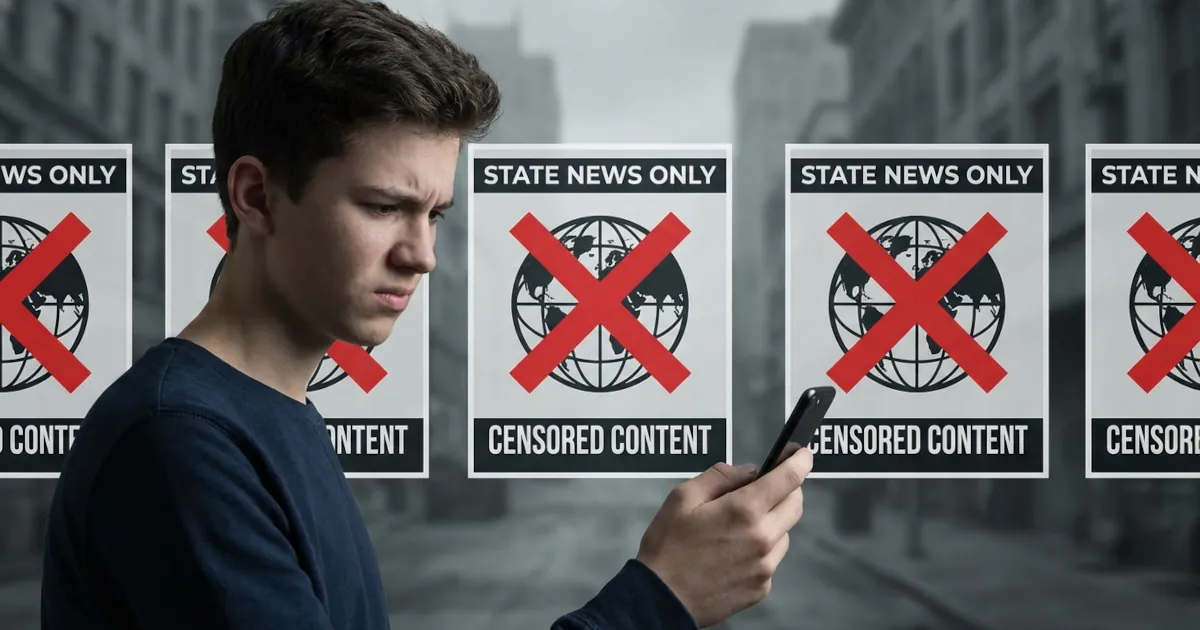
China is famous for its “Great Firewall,” a giant system of internet censorship. VPNs aren’t technically illegal there, but only government-approved VPN services are allowed. These tend to be heavily monitored. Using an unapproved VPN could result in fines or other penalties.
2. Russia
Russia has banned VPNs that don’t comply with the government’s censorship laws. As in China, only government-approved VPN providers are allowed. Those providers have to restrict access to banned content.
3. United Arab Emirates (UAE)
The UAE takes a hard line on unapproved VPN use, especially when the VPN is used to reach content the government doesn’t want you seeing, such as VoIP services or certain streaming content. Fines can be hefty, running up to thousands of dollars.
4. Iran
VPNs are restricted in Iran and may be used only through state-approved providers. Enforcement is uneven, but using any other VPN can land you in legal trouble.
5. North Korea & Turkmenistan
Don’t expect to use a VPN in either country. Internet access there is already heavily restricted. VPNs are essentially outlawed.
What Makes a VPN Illegal?
A VPN is just a tool. Whether it’s legal depends on how you use it.
Think of it like this:
- A lockpick kit isn’t illegal to own in some places. Using one to break into someone’s home gets the cops involved.
In the same way, using a VPN isn’t illegal, but what you do with it can be.
Illegal Uses of VPNs
These activities almost guarantee legal trouble, with or without a VPN:
- Hacking or launching cyberattacks
- Pirating movies, TV shows, games, or music
- Selling or buying illegal substances
- Accessing or distributing harmful content
- Creating fake identities for fraud
- Harassing or stalking people online
A VPN can hide your tracks from your ISP or local network, but it doesn’t give you immunity. Law enforcement has ways to investigate serious crimes, even if you use a VPN.
VPNs and Legal Enforcement: What’s the Worst That Could Happen?
Say you’re in a country where VPNs are legal but you use one to break some rules. Here is what can happen.
Potential Consequences:
- Loss of service: Streaming sites might ban you temporarily (Netflix does this).
- Fines: If you download large amounts of pirated content, your ISP could report you.
- Lawsuits or jail time: This is rare and typically only happens in big cases. It still isn’t worth the risk.
Always check your local laws, fine print included, before you download and use a VPN. Not knowing the law won’t protect you in court.
Why Are VPNs Still So Popular?
They’re very useful when used ethically.
Top Reasons People Use VPNs:
- Privacy Protection: Keep your online data safe from nosy governments, corporations and cybercriminals.
- Secure Public Wi-Fi Usage: Coffee shop Wi-Fi is shady. A VPN keeps your data locked down.
- Streaming Without Borders: Access shows and movies from other regions.
- Travel Smarts: Avoid location-based content restrictions on trips abroad.
- Bypassing Censorship: Where it’s legal, people use VPNs to see unrestricted internet content.
What Should You Look for in a Legal VPN?
When choosing a VPN, pick a service that cares about your privacy and follows local laws.
Look for:
- No-logs policy: They don’t track or store your online activity
- Strong encryption: Such as AES 256-bit
- Multiple server locations: For global access
- Good reputation: Avoid shady free VPNs that sell your data
Some trustworthy VPN providers include:
NordVPN, ExpressVPN, ProtonVPN and Surfshark
“Free” VPN services often sell your browsing data to make money. If privacy is important to you, a paid service is (usually) the safer bet.
Know Before You VPN
VPNs can protect your privacy and improve your online security. They also open up content from around the world. Use them responsibly.
Being able to use a VPN doesn’t mean you should use it to break the law.
Always check your country’s laws. Policies change. What’s okay today might not be okay tomorrow.
The rules to remember:
- Using a VPN is legal in most places, as long as you use it responsibly.
- Respect the rules of the country you’re in and of the services you’re accessing.
- Stay informed. VPNs aren’t all built equally. Countries don’t all play by the same rules either.
So go ahead and browse securely. Get around those geo-limits and keep your private life private.
But remember: privacy is a right with limits. Use it wisely.
Summary
- VPNs are legal in most countries. The U.S. and Canada allow them. So do the UK and Australia.
- In some countries, such as China, Russia and Iran, only authorized VPNs are legal (and heavily restricted).
- VPNs are illegal or banned in places like North Korea and Turkmenistan.
- Using a VPN for illegal activities can still get you into hot water. A VPN is no shield against the law.
- Choose reputable VPN providers with strong privacy standards.
- Always stay aware of your local laws and international privacy norms.