
How VPNs Help Journalists and Activists
Telling the truth can be dangerous. Journalists covering wars and activists working against oppressive governments rely on the Virtual Private Network, or VPN, to do it more safely. So do whistleblowers who expose corruption.
A VPN helps them avoid online surveillance and reach censored information. That lets the truth out of places determined to keep it in the dark.
What Is a VPN, Anyway?
A VPN (Virtual Private Network) creates an encrypted "tunnel" between your device and the internet. It hides your IP address (which works much like a digital fingerprint) and routes your connection through a server in another location. That makes it much harder for anyone to spy on what you’re doing online, including governments, hackers and nosy ISPs.
What It Does for Users:
- Security: Encryption makes eavesdropping near-impossible.
- Anonymity: Sites and observers see the VPN server’s location instead of the place you’re connecting from.
- Access: You can get around censorship and geo-blocks to reach the sites you need.
Stories from the Field
1. Protests in Iran
During the 2022-2023 protests in Iran that followed the death of Mahsa Amini, activists and citizen journalists posted images and videos from the streets. As the government tightened its grip on digital communication and blocked social media platforms and messaging apps, getting that material out became harder and more dangerous.
People on the ground used VPNs to:
- Access blocked platforms like Instagram and WhatsApp.
- Share videos with journalists abroad.
- Coordinate protests safely online via encrypted channels.
Without VPNs, the outside world might never have seen much of the raw footage or heard the stories behind it, which crossed national borders and drew outrage around the world.
2. Ukrainian Journalists During the War
When Russia invaded Ukraine in 2022, local journalists found themselves on the front line in both the physical and the digital sense.
“She was reporting from a bomb shelter,” recalls a colleague about a Ukrainian freelance journalist. “Every time the local internet came back online, she’d use a VPN to move her dispatches.”
Journalists there relied on VPNs for:
- Transmitting data securely.
- Protecting sources by masking IP addresses.
- Accessing international news coverage and sending stories to global media.
Despite poor connections and physical danger, these journalists kept the world informed. A VPN helped shield them from digital tracking.
3. China’s Great Firewall
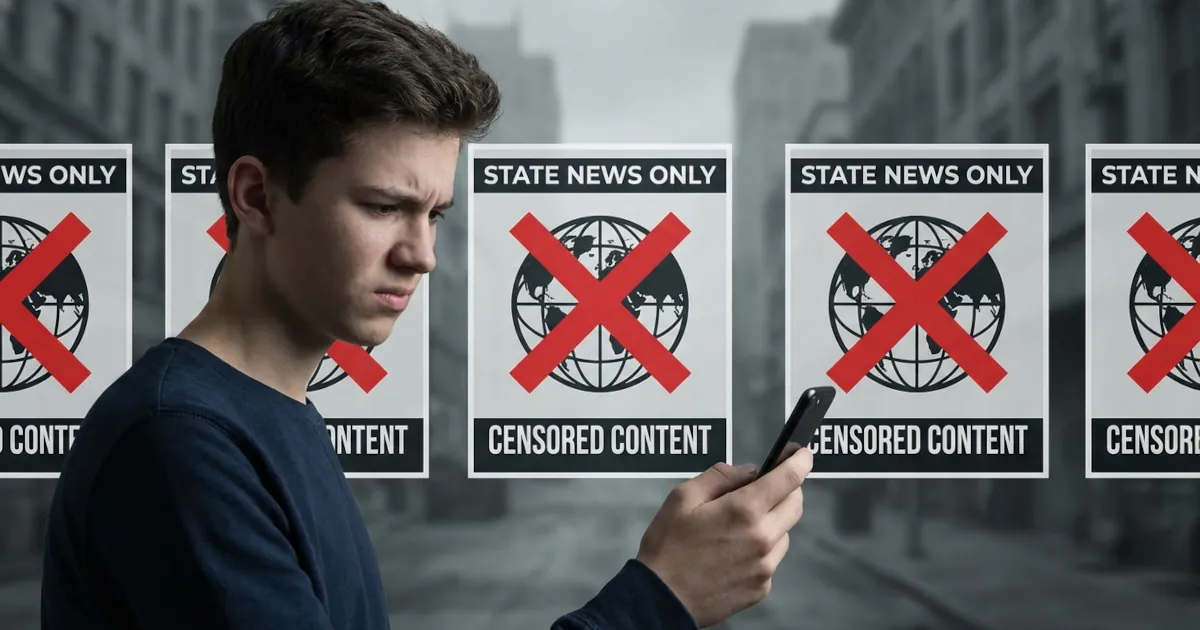
China takes state censorship seriously. Visiting banned platforms like Google, Twitter or The New York Times can get you into trouble.
Chinese activists and independent writers rely on VPNs to:
- Get past the Great Firewall and access foreign news.
- Publish critical blog posts and video content.
- Communicate with overseas journalists and human rights groups.
“For us, VPNs are windows to the world,” said an anonymous blogger from Beijing. “Without them, the wall is too high.”
How VPNs Protect Free Speech
VPNs help protect freedom of speech, one of the foundations of democracy.
Besides hiding identities, VPNs give people digital freedom. People need it most under authoritarian regimes, where dissent is often treated as a crime.
Imagine posting a video about voter suppression, or exposing corruption in a local police department, knowing your IP address could be traced back to you in an instant. A VPN covers your tracks, which gives you room to speak freely.
VPNs also help with:
- Whistleblowing: Safely submitting evidence to the media or groups like WikiLeaks.
- Source Protection: Journalists can communicate with sources over encrypted channels.
- Research Access: Activists can read banned literature, legal documents or global reports that are blocked locally.
VPNs in Democratic Countries
VPNs are useful in democratic countries too. Journalists there sometimes have to report on powerful corporations or military misconduct. A VPN helps them:
- Avoid corporate monitoring.
- Investigate anonymously.
- Back up files to secure cloud servers abroad.
Consider the Edward Snowden revelations. Snowden didn’t leak classified data on his lunch break without layers of security and encryption. Tools like VPNs helped keep his communications safe throughout the process.
Are VPNs Legal?
It depends on the country.
In some places, including Russia, China, Iran and North Korea, VPN use is restricted or banned outright. People there still use them, carefully.
In Russia, for instance, the authorities keep a blacklist of VPN providers. Journalists continue to find workarounds, always at great personal risk, because access to information matters that much.
In most Western democracies, VPNs are perfectly legal. Many corporations even require employees to use them for security.
Heads Up: Using a VPN might not protect you from charges of illegal activity or from prosecution under an authoritarian regime. It is a tool and it won’t make you invincible. People who rely on one still need training and careful security habits.
Choosing the Right VPN as an Activist or Journalist
VPNs vary a lot in quality. Some are notoriously leaky. Free VPNs that sell user data are the usual culprits. If your life or your story depends on staying undetected, choose carefully.
What to Look For:
- No-logs policy: The VPN should not store your browsing history.
- Strong encryption: At least AES-256 encryption and OpenVPN or WireGuard protocols.
- Kill switch: If the VPN connection drops, it cuts internet access so you’re not exposed.
- Obfuscated servers: These disguise VPN traffic as regular web traffic to get past censorship blocks.
- Based in privacy-friendly jurisdictions: Countries without data retention laws. (Switzerland qualifies. The U.S. is a weaker choice.)
Tip: ProtonVPN, Mullvad and NordVPN are trusted examples, but always check up-to-date research before you choose.
When VPNs Aren’t Enough
A VPN covers one part of your digital security. You need other tools alongside it.
Journalists and activists should also consider:
- Using encrypted messaging apps like Signal.
- Secure file storage via encrypted cloud platforms.
- Two-factor authentication for all accounts.
- Password managers to avoid weak or reused passwords.
Groups like the Committee to Protect Journalists, Access Now and Reporters Without Borders provide training and resources for staying secure online.
Taking these precautions is sensible protection. Nobody doing this work should think of it as paranoia.
Real People, Real Courage
Behind many headlines and viral protest videos, there is usually someone who risked their life to get the truth out. A VPN often plays a small but important part. Sometimes it only lets someone post a tweet. Other times it lets someone publish a story without disappearing completely.
Online, telling the truth takes encryption as well as courage.
VPNs as Lifelines
In much of the world, googling "human rights" or messaging a journalist can get you arrested. In those places a VPN is a lifeline that carries your traffic through an encrypted tunnel.
For a frontline reporter or a student protester, a VPN is one of the smartest and safest ways to share the truth and to look for it.
Until telling the truth no longer requires a digital disguise, a VPN is worth having.