
Who Uses VPNs (And Why)?
VPNs are used everywhere, by remote workers, students, and many others. See why so many people rely on them every day.
Virtual Private Networks, commonly known as VPNs, have become an important tool for many people. Techies and the privacy-obsessed still use them, along with plenty of others who have their own reasons: remote workers, students, globetrotters, and even online shoppers. VPNs are now part of everyday life online.
The Remote Worker
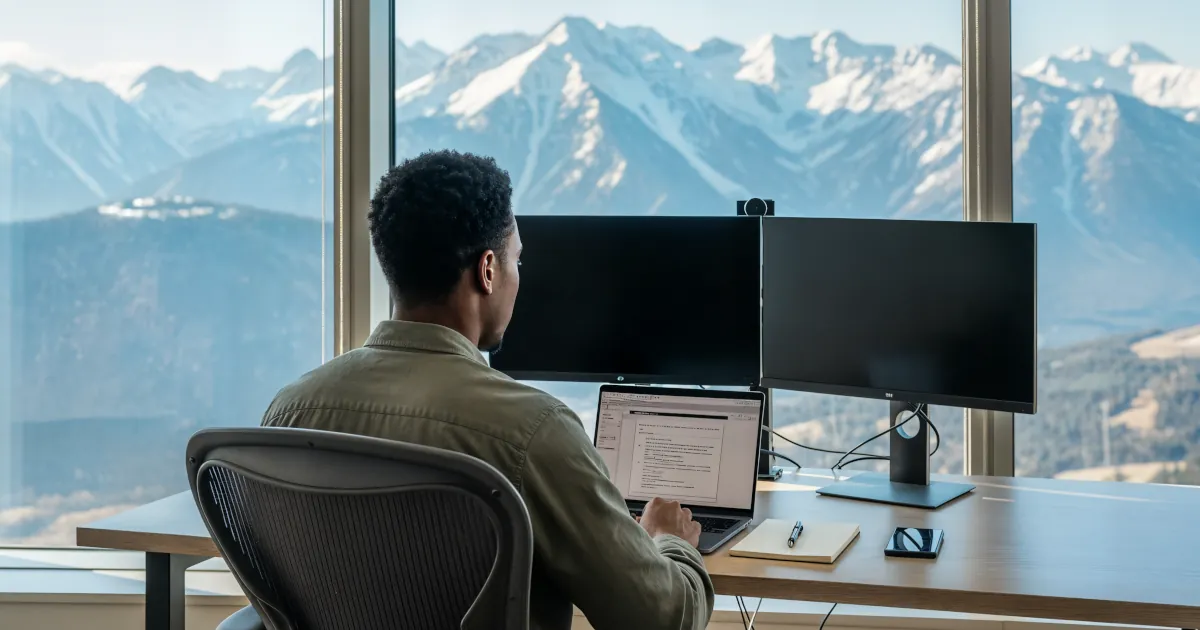
Remote workers depend on VPNs. A VPN gives them secure access to company networks and keeps sensitive data away from prying eyes, especially on public Wi-Fi hotspots in cafes or airports. It encrypts the internet connection, which makes it nearly impossible for unauthorized users to intercept data.
VPNs also help with geo-restrictions. Many remote workers travel for business or pleasure and may need content or websites that aren't available where they are. A VPN lets them change their virtual location and reach the services they need to get their job done.
The Student Abroad
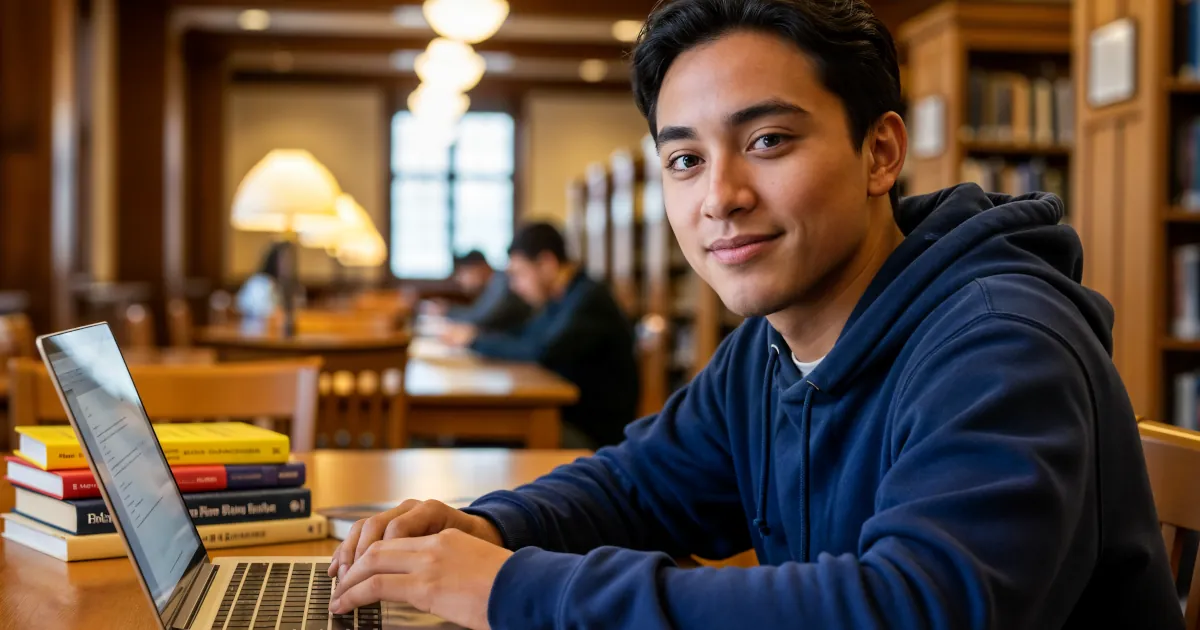
Students studying abroad often use VPNs to reach educational resources or streaming services that are restricted in their host country. A student from the United States studying in China, for example, would struggle to use familiar sites like Google or YouTube without a VPN because of local internet restrictions.
Some educational institutions also limit access to their digital libraries to certain geographic locations. A VPN lets students appear to log in from their home country, so they can keep using those resources.
The Security-Conscious Individual
Privacy is a growing concern. More and more people use VPNs to protect their online identity and personal data. With cyber threats, data breaches, and digital surveillance on the rise, many see a VPN as the first layer of protection for their privacy.
By hiding a user's IP address and encrypting their internet traffic, VPNs prevent ISPs, hackers, and even government agencies from tracking their online activity. Journalists and activists rely on this, as does anyone who handles sensitive information.
The Global Traveler
Frequent flyers use VPNs all the time. Travelers rely on them to get around geo-blocks on streaming platforms and to reach their bank accounts securely from abroad.
A VPN can also save travelers money. Airlines and hotels sometimes show different prices depending on where a user is. By changing their virtual location, travelers may find better deals on flights and accommodations.
The Savvy Shopper
Online shoppers use VPNs too. If they change their IP address to appear in a different location, they can sometimes find better prices on goods or services. Digital products such as software subscriptions or video game downloads, for example, may be priced differently in different countries.
With a VPN, shoppers can compare prices internationally and may save money on purchases. They should check the legality and each platform's terms of service first, though, because getting around regional pricing can sometimes conflict with those terms.
The Streaming Enthusiast
People who stream movies, TV shows, and music from platforms like Netflix, Hulu, or Spotify use VPNs to reach more of it. Content libraries vary from country to country because of licensing agreements. A VPN can help get around these regional restrictions and open up a wider selection of titles.
Although a VPN can give access to international content, users should respect each streaming platform's terms of service, because getting around geo-restrictions may break their policies.
Conclusion
VPNs have moved beyond a niche. A broad mix of people use them for practical reasons: to secure what they do online, to reach restricted content, or to save money while shopping.
Adding a VPN to your daily routine online can solve several of these problems at once and improve both security and convenience. As we rely more on the internet, VPNs are likely to play an even bigger part in protecting our privacy online and widening what we can reach.